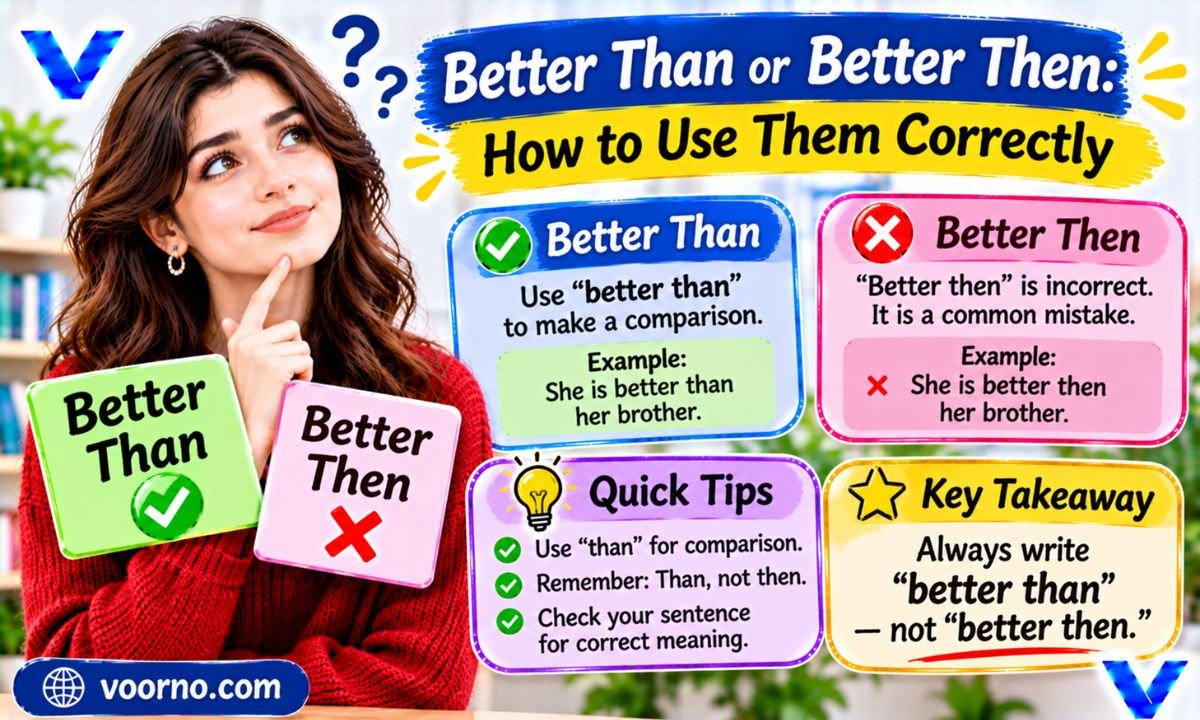
If you’ve ever typed “you’re better then me” and paused with your cursor hovering, wondering if that looks right — you’re not alone. This is one of the most common mix-ups in English writing, and it trips up native speakers just as often as learners.
The good news? The rule is short, the fix is permanent, and by the end of this guide you’ll never have to second-guess it again.
Understanding the Common Mix-Up: Then vs Than
“Then” and “than” are separated by a single vowel, but they do completely different jobs in a sentence.
- Than is used for comparisons — placing two things side by side to see which one wins out.
- Then is used for time and sequence — showing when something happened or what came next.
Because they sound almost identical when spoken quickly, writers often swap one for the other without noticing. Spellcheckers frequently miss the error too, since both words are spelled correctly — just used in the wrong place.
Real-World Impact
This isn’t just a pedantic detail. Grammar slips like this can quietly undermine your credibility:
- In a resume or cover letter, it can read as carelessness.
- In marketing copy, it can make a brand look unpolished.
- In academic writing, it can cost you marks even when your argument is strong.
- In business emails, it can distract the reader from your actual point.
Clarity builds trust — with readers, with employers, and even with search engines that reward well-edited content.
Better Than or Better Then Sentences
Here’s the difference side by side:
- ✅ “This laptop is better than my old one.” (comparison)
- ✅ “I used to prefer tea, but I like coffee better now than then.” (rare, time-based use)
- ❌ “You’re better then me at chess.” (should be “than”)
In everyday writing, “better than” is what you’ll need almost every single time.
Read More: Pursue vs. Persue: Meaning, Difference & Examples
The Significance of a Single Vowel
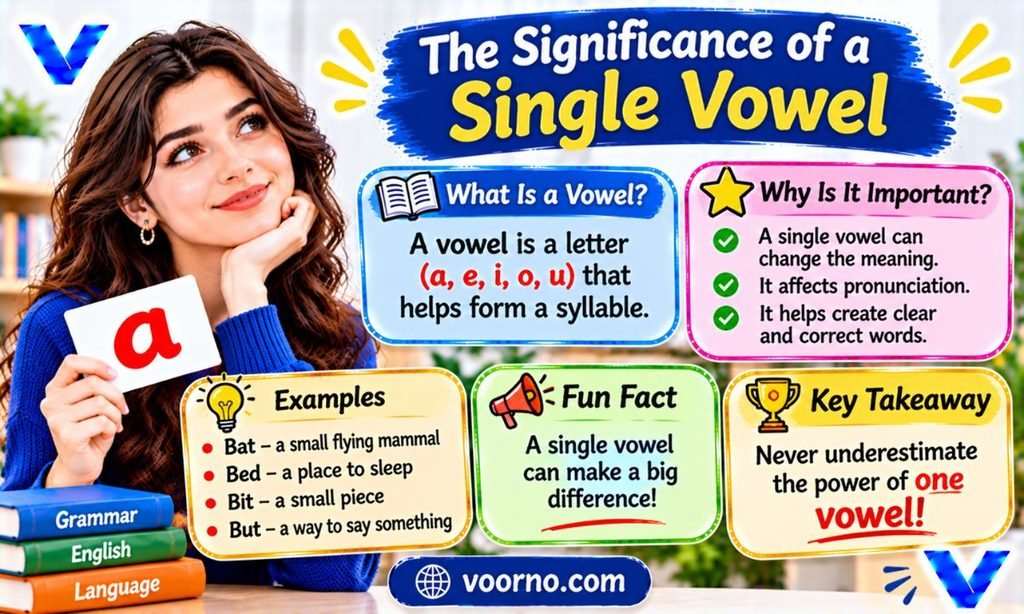
It seems almost unfair that one letter — A versus E — can flip a sentence from correct to incorrect. But that single vowel carries the entire distinction between comparing two things and describing a moment in time.
Historically, both words trace back to the same Old English root, þanne. Over centuries, English speakers split the spelling to separate the two meanings: than kept the comparative function, while then took over the time-and-sequence role. The pronunciation stayed close, which is exactly why the confusion persists today.
Read More: There Have Been vs. Has Been: Which Is Correct?
Breaking Down Then
“Then” is a flexible little word that can function in more than one way.
Then as an Adverb, Adjective, and Noun
- Adverb (most common): “We finished dinner, then went for a walk.” (sequence)
- Adjective: “The then president signed the treaty.” (describing something at a past time)
- Noun: “Since then, things have changed a lot.” (referring to a point in time)
In short, “then” answers questions like When?, What happened next?, or What’s the result?
Breaking Down Than
“Than” has one main job: introducing the second half of a comparison. It’s classified as a conjunction (and sometimes a preposition), and it almost always pairs with a comparative adjective or adverb — words like better, faster, taller, smaller, or more.
- “She runs faster than he does.”
- “This phone is more expensive than that one.”
- “I’d rather stay home than go out tonight.”
If you can mentally insert “compared to” and the sentence still makes sense, “than” is the word you need.
Then vs Than Pronunciation
Both words are short and often unstressed in casual speech, which is exactly why they blend together when spoken. “Then” tends to have a slightly more clipped “eh” sound, while “than” leans toward a softer, shorter “uh” sound in fast speech. In careful or formal speech, the vowel difference is clearer: “then” rhymes with “hen,” and “than” rhymes with “an.”
Table: Quick Reference — Then vs Than
| Feature | Then | Than |
| Function | Adverb, adjective, or noun | Conjunction (comparison) |
| Refers to | Time, sequence, or result | Comparing two things |
| Example | “First we ate, then we left.” | “Pizza is better than salad.” |
| Memory trick | E = timE | A = compArison |
| Common pairing | “if…then” | “more/better/faster…than” |
Spotting and Correcting Common Mistakes
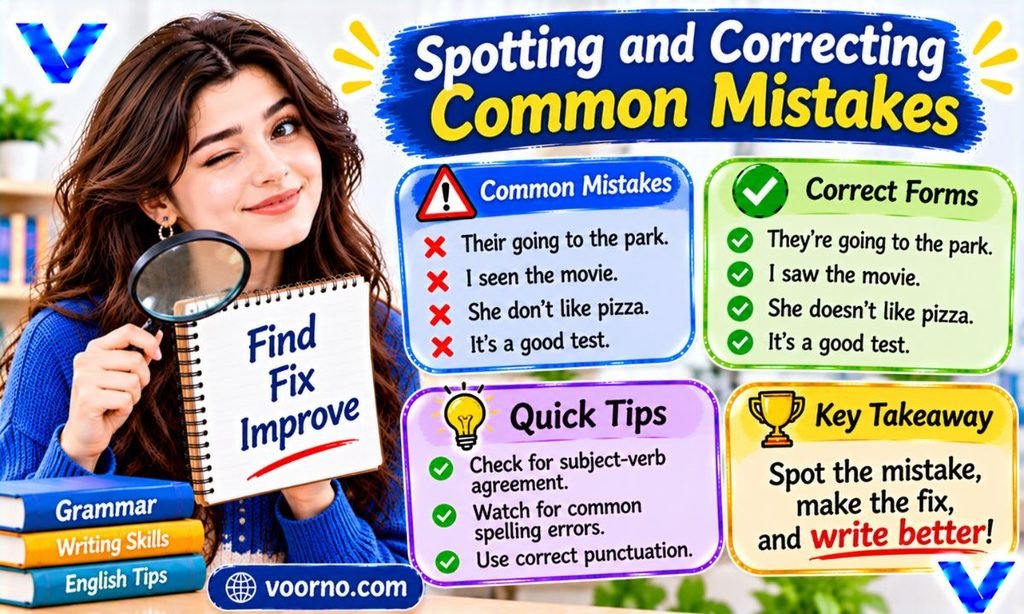
The easiest way to catch this error is to ask yourself: Am I comparing two things, or talking about time?
- If comparing → use than
- If sequencing or referencing time → use then
Better Then Meaning
Grammatically, “better then” is only correct when “then” genuinely means “at that time” — not as a comparison. For example: “The lighting in the studio was better then, before they changed the bulbs.” Here, “then” points to a specific past moment, not a comparison between two things. Outside of that narrow use, “better then” is a mistake and should be “better than.”
Practical Memory Tricks to Avoid Confusion
You don’t need to memorize grammar rules forever — a few simple tricks will make the right word automatic.
Mnemonic Phrases
- A in th-A-n = comp-A-rison.
- E in th-E-n = tim-E.
- “Than” rhymes with “comparison” in spirit — both deal with weighing options.
- “Then” often follows “if,” as in “if this, then that” — a sequence word.
Visual Tricks
- Picture a set of scales (comparison) next to the word than — both have that leaning “A” shape.
- Picture a clock or timeline next to the word then — both share that straight “E” line, like a ticking second hand.
- Try replacing the word with “compared to.” If the sentence still works, you need “than.”
Proofreading Checklist You Can Use
Before you hit send or publish, run through this quick list:
- Search your document for every instance of “then” and “than.”
- Ask whether each instance compares two things or refers to time.
- Replace with “compared to” as a test for “than.”
- Read the sentence aloud slowly to catch mismatched vowels.
- Use a grammar checker as a second layer, not your only check.
Case Study: Editing Real Sentences
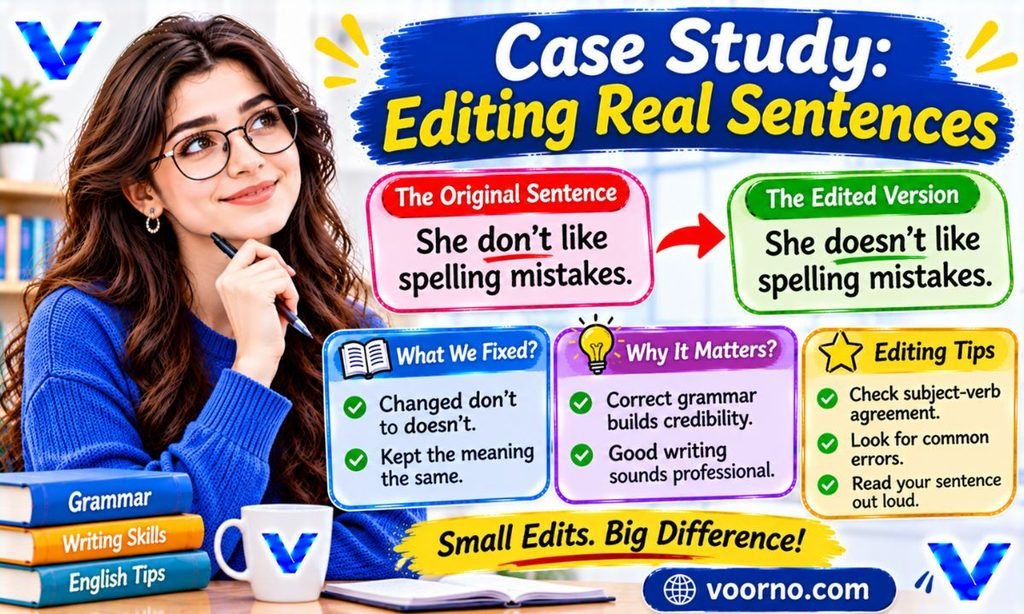
Let’s edit a few real examples:
- ❌ “This year’s sales were much better then last year’s.” ✅ “This year’s sales were much better than last year’s.” (comparison)
- ❌ “We closed the store early, than went home.” ✅ “We closed the store early, then went home.” (sequence)
- ❌ “He’s smarter then he looks.” ✅ “He’s smarter than he looks.” (comparison)
Better Than Synonyms
If you want to vary your phrasing beyond “better than,” consider:
- Superior to
- More favorable than
- Preferable to
- Ahead of
- Stronger than
A Short Quiz You Can Use Right Now
Try filling in the blank with “then” or “than” before checking your instinct:
- She scored higher ___ everyone else in the class.
- First we packed our bags, ___ headed to the airport.
- This coffee tastes better ___ the one from yesterday.
- Back ___, phones didn’t even have cameras.
- I’d rather walk ___ take the bus.
(Answers: than, then, than, then, than)
Advanced Points and Nuances
Comparisons with Numbers
“Than” is also used when comparing numbers or quantities: “More than 50 people attended,” or “Less than half the students passed.” Some writers confuse “more then” with “more than” the same way they confuse “better then” — the rule is identical: comparison always calls for “than.”
Common Phrases and Their Correct Forms
| Incorrect | Correct |
| Rather then | Rather than |
| More then | More than |
| Less then | Less than |
| Other then | Other than |
| Bigger then | Bigger than |
| Back then (time) | Correct as is |
| Now and then (time) | Correct as is |
Practical Writing Tips for Marketers, Students, and Professionals

- Marketers: A single “then/than” slip in an ad headline can undercut a brand’s polish — always run copy through a second review pass.
- Students: Essays with comparative arguments (“this theory is stronger than that one”) rely heavily on “than” — get comfortable with it early.
- Professionals: Emails and reports often mix sequence (“then we’ll proceed”) and comparison (“this option is better than that one”) in the same paragraph — read each sentence individually before sending.
“Grammar isn’t about perfection — it’s about making sure your reader never has to guess what you meant.”
Common Editing Mistakes and How to Fix Then Fast
- Autocorrect swaps: Predictive text sometimes changes “than” to “then” without you noticing — always re-read the final version.
- Speed typing: Fast typists often let muscle memory default to whichever word they type more often.
- Reading past it: Because both words are short and common, eyes tend to skip over them during proofreading — try reading backward, sentence by sentence, to slow down and catch errors.
Final Checklist Before You Hit Publish
- [ ] Does every “than” involve a comparison?
- [ ] Does every “then” involve time, sequence, or result?
- [ ] Have you read the piece aloud at least once?
- [ ] Has a grammar tool double-checked the final draft?
- [ ] Would “compared to” fit anywhere you used “then”? If yes, fix it.
FAQs
Q:What does “then” mean?
“Then” refers to time, sequence, or result — it answers “when” or “what happened next.”
Q:Do you say better than or better then?
You almost always say “better than,” since it’s a comparison. “Better then” is only correct when referring to a specific past time.
Q:Is then correct grammar?
Yes, “then” is correct when used for time, sequence, or as a result word — it’s incorrect only when swapped in for a comparison.
Q:When to use than?
Use “than” whenever you’re comparing two people, things, or ideas, especially after words like better, more, less, or faster.
Q:How can I easily remember then vs than?
Remember: the A in than stands for comparison, and the E in then stands for time.
Conclusion
The difference between “better than” and “better then” comes down to one simple question: are you comparing, or are you talking about time? Once that question becomes automatic, the right word follows naturally. Keep the memory tricks handy, proofread with intention, and this classic mix-up will stop being a mix-up at all.









2 thoughts on “Better Than or Better Then: How to Use Them Correctly”