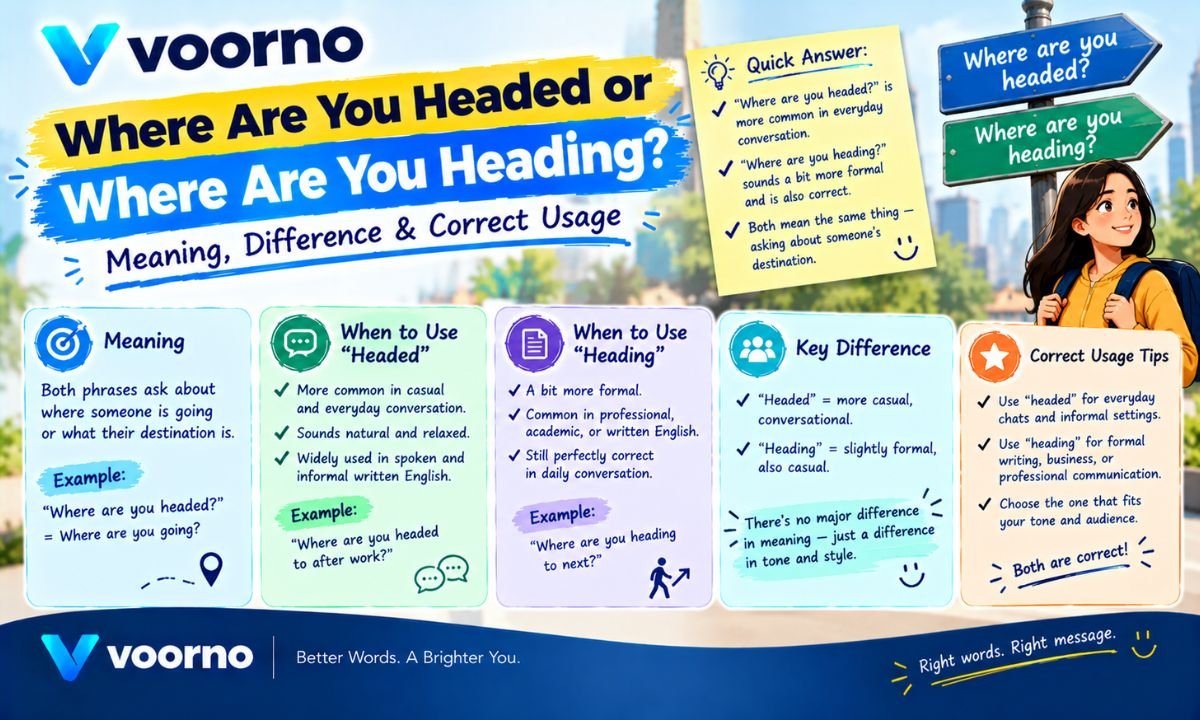
“Where are you headed?” and “Where are you heading?” are both correct English expressions. They are commonly used when asking about someone’s destination, direction, or plans. Although their meanings are very similar, they can differ slightly in tone and context.
Why This Simple Question Shapes How You Speak and How You Live
Five words. That’s all it takes to stop someone in their tracks: “Where are you headed?” or its twin, “Where are you heading?” You’ve heard both. You’ve probably used both without ever stopping to ask which one is “correct.”
Here’s the truth: this isn’t really a grammar trap. It’s a window into how English handles motion, time, and direction — both literally (as in, which street you’re walking down) and figuratively (as in, where your career or life is going). By the end of this guide, you’ll know exactly when to use each phrase, why native speakers switch between them without thinking twice, and how to use this small piece of grammar to sound more natural in everyday conversation.
The Core Grammar Question: “Headed” vs “Heading” Explained Simply
Both phrases come from the verb “to head,” meaning to move or point in a particular direction. The difference lies in which form of the verb you’re using:
- Heading is the present participle (the “-ing” form) of the verb “head.” It’s used in continuous/progressive tenses to describe an action happening right now.
- Headed is the past participle of “head,” but here it functions more like an adjective describing a state — the state of being directed or destined toward a place.
In practice, both describe the same idea: movement toward a destination. Grammatically, they come from different verb forms, but functionally, they overlap so much that most native speakers treat them as interchangeable in casual speech.
| Feature | “Heading” | “Headed” |
| Verb form | Present participle (-ing) | Past participle (used as adjective) |
| Grammatical function | Describes an ongoing action | Describes a current state or condition |
| Tone | Slightly more active, in-motion | Slightly more settled, destination-focused |
| Common usage | Formal writing, narration | Everyday casual speech |
| Example | “I’m heading to the gym.” | “I’m headed to the gym.” |
When to Use “Where Are You Headed?”
Use “headed” when you want to emphasize the destination or the state of being on your way somewhere — almost like asking “what’s your endpoint?” rather than “what are you doing right now?”
It has a slightly more relaxed, conversational feel, and it’s extremely common in American English, especially when someone notices you’re already moving (grabbing your keys, walking out the door, driving somewhere).
Read More:“As Per Your Request” Meaning: How to Use It Correctly
Examples That Sound Natural
- “Hey, where are you headed this weekend?”
- “Where are you headed? Need a lift?”
- “You look like you’re in a rush — where are you headed?”
- “I’m headed to my sister’s place for dinner.”
- “We’re headed downtown if you want to join.”
When to Use “Where Are You Heading?”
Use “heading” when you want to highlight the action of moving in the moment — the sense that someone is actively in motion right now, mid-journey.
It leans slightly more descriptive and is common in both spoken and written English, including narration, storytelling, and more formal contexts (news reports, navigation instructions, business updates).
Examples You’d Hear in Natural Speech
- “Where are you heading this summer?”
- “The storm is heading toward the coast.”
- “Where’s this conversation heading?”
- “I’m heading to the airport now.”
- “Which direction are you heading?”
Where Are You Headed or Where Are You Heading — Meaning
At the core, both questions mean the same thing: “What is your destination?” or “In what direction are you going?”
If a friend asks either version, they want to know the same basic information — your destination, your plan, or your direction of travel. There’s no meaningful difference in meaning; the difference is in emphasis and tone. “Headed” leans toward destination. “Heading” leans toward the ongoing motion itself. In real-world conversation, this distinction rarely changes how the listener responds.
Linguistic Differences That Actually Matter
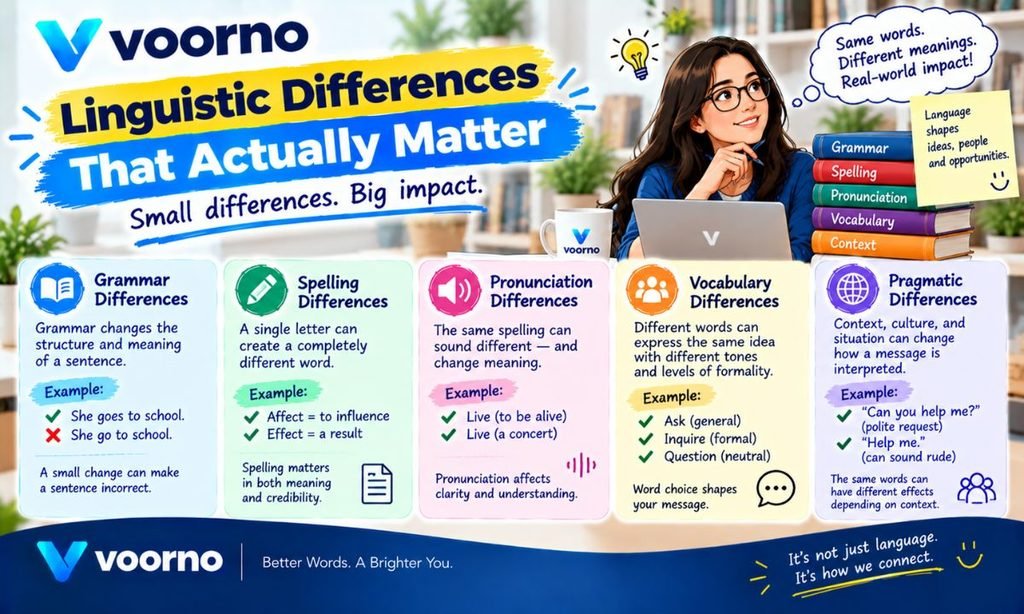
While the two phrases are largely interchangeable, a few subtle linguistic patterns are worth knowing if you want to sound precise.
Read More:Need vs Needs: Rules, Examples & Tips for Better English
Here Are the Real Differences That Influence Your Choice
- Verb transitivity: “Head” can be used transitively (to head a ship toward a direction) or intransitively (to move in a direction). “Headed” often reflects the passive-style, adjective-like use; “heading” reflects the active, intransitive, in-progress use.
- Tense flexibility: “Headed” pairs naturally with past, present, and even future-leaning statements (“I’m headed to the meeting in ten minutes”). “Heading” is tied more tightly to the present continuous.
- Formality level: “Heading” shows up more often in written, narrative, or news contexts (“The economy is heading for a slowdown”). “Headed” dominates casual, spoken American English.
- Regional preference: American English speakers reach for “headed” far more often in daily conversation. British and Australian English speakers lean slightly more toward “heading.”
- Figurative extension: Both headed or heading extend naturally into metaphor (career, relationships, projects), but “heading” often sounds more analytical, while “headed” sounds more personal and direct.
Misunderstandings That Happen When Context Is Ignored
- Using “heading” in a strictly future-tense sentence can sound slightly off: “I’m heading to Paris next year” is fine, but “I’m headed to Paris next year” often sounds more natural for a firm, planned destination.
- Assuming one form is “grammatically wrong” — this is a common misconception. Both are correct; the confusion usually comes from unfamiliarity with participle forms, not an actual error.
- Overthinking casual speech — in 95% of everyday conversations, swapping one for the other changes nothing about how you’re understood.
Colloquial English Patterns: What People Use Most in Real Life
In spoken American English, “Where are you headed?” is significantly more common than “Where are you heading?” It shows up constantly in casual greetings, especially when someone sees you moving with purpose — car keys in hand, walking briskly, or heading out the door.
Examples From Common Speech
- “Yo, where you headed?” (informal, fast speech)
- “Where you headed to, man?”
- “Where’s everyone headed after this?”
- “So, where are we heading first?” (used when planning a route together)
- “Where’s this bus heading?”
Regional and Cultural Variations
- American English: Strong preference for “headed” in casual talk; “heading” still common in writing and narration.
- British English: Slightly more balanced use of both, with “heading” appearing comfortably in spoken conversation too.
- Australian and Canadian English: Similar blend to British usage, with regional slang variations layered on top (“Where are you off to?” is also common).
- Non-native English learners: Often taught “heading” first because it follows the standard present continuous pattern taught in grammar courses, even though “headed” is just as natural in real conversation.
Context Rules Everything: How Situation Changes the Meaning
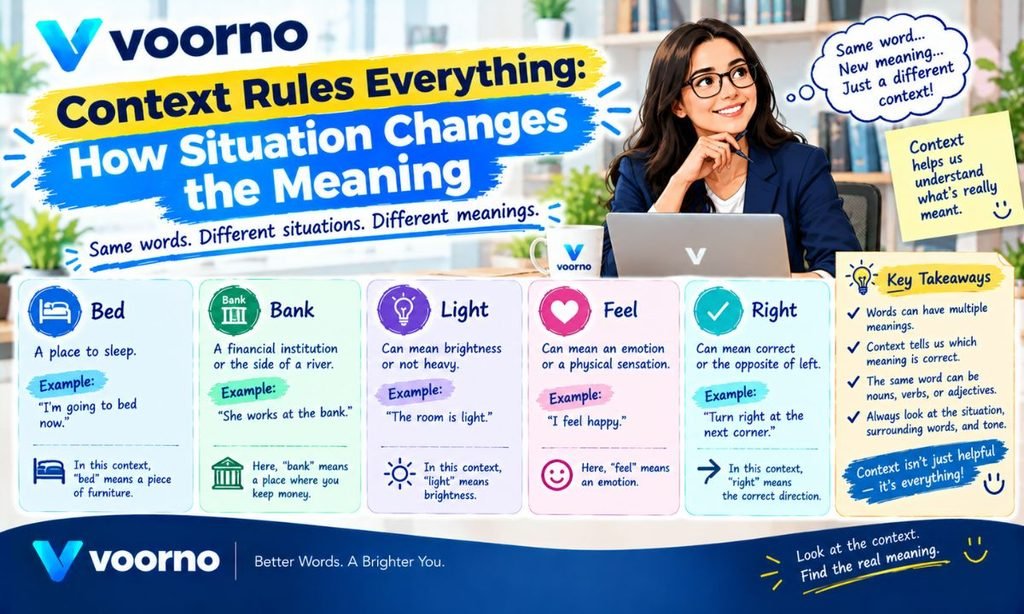
The “correct” choice often comes down to context rather than strict grammar rules. A single word can shift depending on who’s asking, when, and why.
Situational Differences
- Casual greeting on the street: “Where are you headed?” — quick, friendly, destination-focused.
- Formal business context: “Where is this project heading?” — action- and process-focused.
- Weather/news reporting: “The hurricane is heading toward the coastline.” — active movement, journalistic tone.
- Planning a trip with friends: “Where are we heading first?” — collaborative, in-the-moment decision-making.
- Asking about someone’s future plans: “Where are you headed after graduation?” — long-term destination, not immediate action.
Where Are You Headed or Where Are You Heading — Grammar
From a strict grammar standpoint:
- “Heading” is a present participle used with a form of “to be” to create the present continuous tense (am/is/are + heading).
- “Headed” functions as a predicate adjective after “to be,” describing a state rather than an ongoing action, though it originates from the past participle of “head.”
Both constructions are grammatically valid in standard English. Style guides and dictionaries (including Merriam-Webster) confirm that “heading” and “headed” can be used interchangeably to ask about direction or destination, with no difference in correctness — only in nuance.
Figurative Meaning: Using “Where Are You Headed?” Beyond Physical Direction
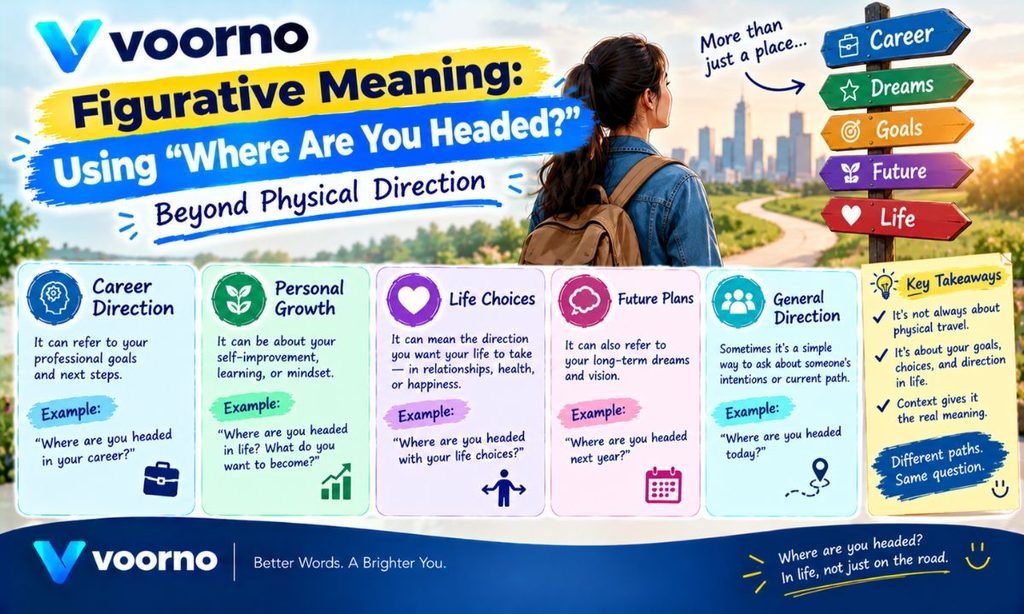
This phrase isn’t just for physical travel. English speakers use both “headed” and “heading” constantly to talk about abstract direction — where a relationship, a career, a conversation, or a life is going.
- “Where is your career headed in the next five years?”
- “This relationship is heading nowhere.”
- “Where do you see your life heading?”
- “The company is headed for a major shift.”
- “Where is this argument heading?”
Using Directional Language to Frame Your Life and Goals
Directional metaphors are deeply embedded in how English speakers think about progress and purpose. Saying you’re “headed somewhere” implies momentum and intention — even without a literal destination in mind. This is why career coaches, motivational speakers, and self-help writers frequently ask, “Where are you headed?” as a way of prompting reflection on goals, values, and long-term direction.
Headed vs Heading (Figurative Use)
| Use Case | Preferred Phrase | Why |
| Talking about long-term life goals | “Where are you headed?” | Implies a destination or outcome |
| Talking about a trend in progress | “Where is this heading?” | Implies an active, unfolding process |
| Career reflection | “Where is your career headed?” | Suggests a fixed future point |
| Ongoing situation or crisis | “Where is this heading?” | Suggests movement still in motion |
Personal Growth: How These Phrases Guide Career and Life Moves

Asking yourself “Where am I headed?” periodically is a small but powerful self-check. It forces a pause — a moment to evaluate whether your daily actions align with your bigger goals. Career counselors and life coaches often use this exact phrasing because it’s non-confrontational yet direct. It doesn’t ask “What have you done?” (which can feel judgmental); it asks “What’s your direction?” — which feels forward-looking and constructive.
Using “heading” in this context (“Where is my life heading?”) tends to emphasize the ongoing pattern or trajectory, useful when reflecting on habits and momentum. Using “headed” (“Where am I headed?”) emphasizes the destination itself, useful when setting concrete goals.
Practical Everyday Applications

Here’s a simple, practical breakdown for choosing the right word in daily situations.
Use “Headed” When:
- Asking someone about their immediate destination
- Speaking casually with friends or family
- Referring to a planned or fixed destination
- You want a slightly more relaxed, American-English tone
Use “Heading” When:
- Describing an action currently in progress
- Writing in a more formal or narrative style
- Talking about trends, weather, or processes
- Emphasizing the movement itself rather than the endpoint
Practical Dialogue Examples
- A: “Hey, where are you headed?” B: “Just heading to the store, want anything?”
- A: “Where’s this project heading?” B: “Honestly, it’s headed for a delay unless we get more resources.”
- A: “Where are you headed after the meeting?” B: “I’m heading straight home.”
Quick Reference Table: “Headed” vs “Heading” Side-by-Side
| Aspect | Headed | Heading |
| Grammatical role | Past participle (adjective-like) | Present participle |
| Common tone | Casual, direct | Slightly formal, descriptive |
| Best for | Fixed destinations, quick questions | Ongoing motion, trends, narration |
| Region most common in | American English | British/global English, writing |
| Figurative use | Life goals, long-term direction | Trends, unfolding situations |
| Example | “Where are you headed?” | “Where are you heading?” |
FAQs
Which is correct: “heading” or “headed”?
Both are grammatically correct. “Heading” describes an ongoing action, while “headed” describes a state of being directed toward a destination.
What’s the difference between heading and headed?
“Heading” emphasizes the act of moving right now; “headed” emphasizes the destination or end state. The meaning overlaps heavily in everyday use.
How to use headed in a sentence?
Pair “headed” with a form of “to be” and a direction: “I’m headed to the office” or “She’s headed for success.”
Is it correct to say “headed home” or “heading home”?
Both are correct and commonly used interchangeably. “I’m headed home” and “I’m heading home” mean the same thing.
What is the synonym of heading?
Common synonyms include “going,” “moving toward,” “traveling,” “bound for,” and “on the way to.”
Conclusion
“Where are you headed?” and “Where are you heading?” are two sides of the same directional coin. One leans slightly toward the destination, the other toward the motion itself — but in nearly every real-world conversation, native speakers use them interchangeably without a second thought.
Whether you’re asking about a friend’s weekend plans, a storm’s path, or your own career trajectory, both phrases get the job done.The real takeaway isn’t about memorizing a rigid rule — it’s about noticing how flexible and context-driven English really is.
So next time someone asks you either version of the question, you won’t just have an answer for where you’re going. You’ll understand exactly why the question was phrased that way in the first place.










2 thoughts on “Where Are You Headed or Where Are You Heading? Meaning, Difference & Correct Usage”